brighty

TITLE                                                                                                                 

Why the Arts Are Central to Tourism — and Why Antigua and Barbuda Must Invest in Them part 2

The Economic Value of Arts and Culture

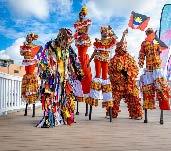
Globally, cultural tourism represents one of the fastest-growing sectors of the travel industry. Studies by international tourism organizations estimate that roughly 40 percent of global tourism activity involves cultural experiences, including museums, heritage sites, festivals, music, and the performing arts.
In destinations where tourism dominates the economy, these cultural experiences become powerful economic multipliers. Visitors who engage with arts and heritage tend to:
Why the Arts Are Central to Tourism — and Why Antigua and Barbuda Must Invest in Them part 1

Tourism has long been the economic backbone of Antigua and Barbuda, contributing more than half of the country’s Gross Domestic Product and supporting a significant share of national employment. Visitors are often drawn first by the island’s famous beaches and warm climate, but the experiences that truly define a destination—and encourage travelers to stay longer or return—are rooted in culture, history, and the arts.

The Amazing Goats of Antigua and Barbuda

One of the most fascinating everyday sights in Antigua and Barbuda is the small herds of goats that wander freely through villages, hillsides, and even along roads during the day—only to return home on their own each afternoon.

For visitors, this daily routine can appear almost unbelievable: goats moving calmly through the landscape without fences, herders, or supervision, yet reliably finding their way back to their owners around 4:00 p.m. each day.

Historian Natasha Lightfoot Sheds New Light on Antigua’s Post-Emancipation History

Historian Natasha Lightfoot is gaining international recognition for her groundbreaking research on slavery, emancipation, and Black identity in the Caribbean. As an associate professor specializing in Caribbean and Atlantic World history, Lightfoot’s work focuses on how formerly enslaved people shaped their lives and communities after the end of slavery in the British Empire.

The Legacy of the Sir Vivian Richards Stadium

Coming up on its 20th anniversary we salute the Sir Vivian Richards Stadium

Rising from the green expanses of North Sound, the Sir Vivian Richards Stadium is more than just a feat of modern engineering; it is a symbol of Antiguan pride and the evolution of a sporting nation. Built in 2006 to usher in the 2007 Cricket World Cup, the stadium represented a passing of the torch from the historic, downtown energy of the Antigua Recreation Ground (ARG) to a new era of global infrastructure.

The Vision of North Sound

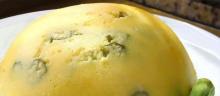
Why Fungee, Polenta, and Indigenous Corn Dishes Are So Similar

At first glance, fungee from Antigua and Barbuda, Italian polenta, and traditional Indigenous corn dishes from North America seem unrelated. Yet they share the same foundation: maize.

Corn originated in the Americas thousands of years ago. After the 15th century, it spread globally through trade and colonization. Because maize grows easily, stores well, and feeds many people, it quickly became a staple crop across Europe, Africa, and the Caribbean.

Cuisine of Antigua and Barbuda

A culinary identity shaped by Africa, Europe, and the wider Caribbean

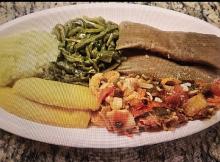
Antigua and Barbuda’s cuisine is more than island fare — it is a living archive of migration, resistance, and survival. While often described simply as Caribbean cooking, the food of Antigua and Barbuda carries strong West African foundations, traces of Ethiopian culinary traditions, European colonial influences, and regional Caribbean exchange.

National Dish: Fungee and Pepperpot

Subscribe to